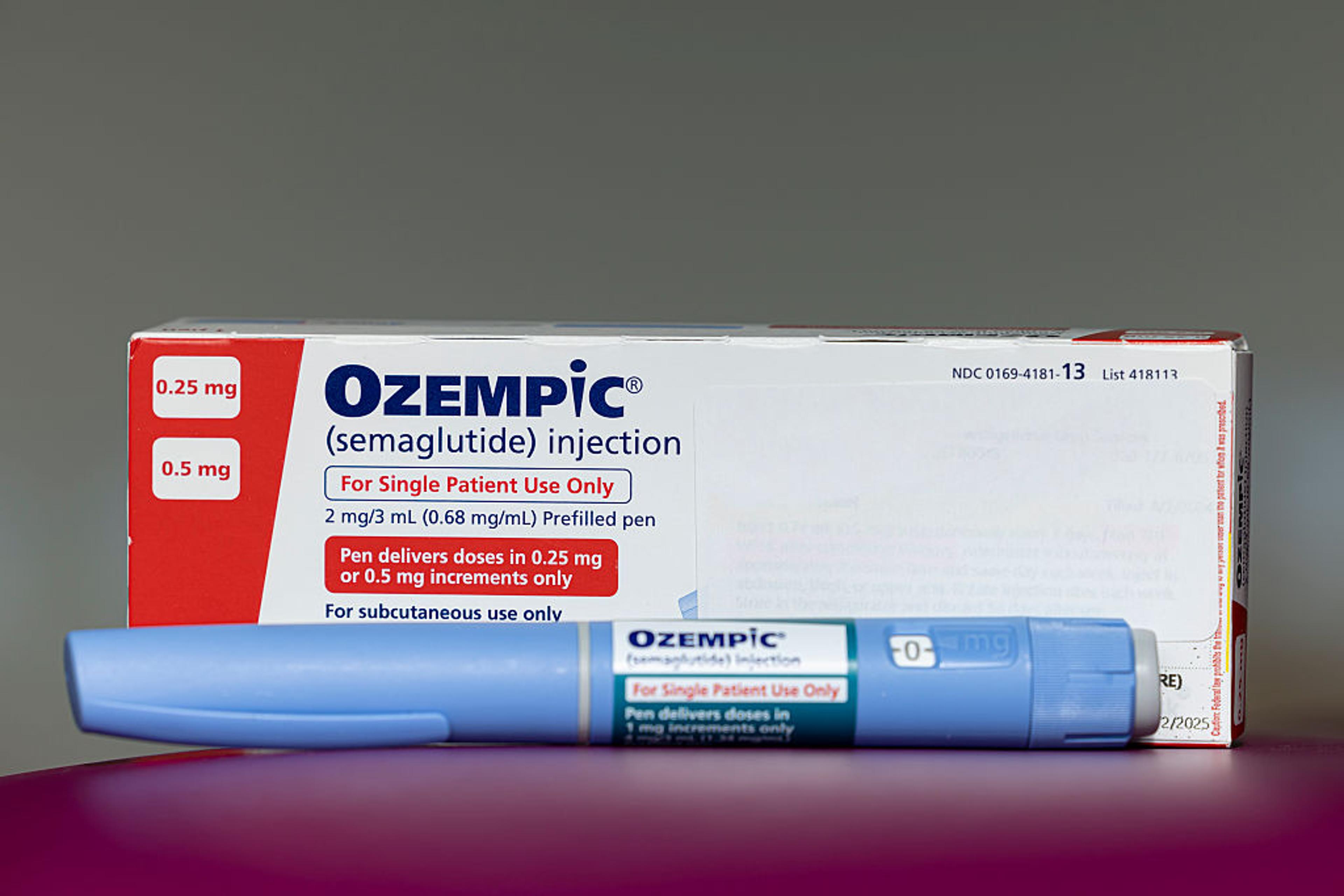
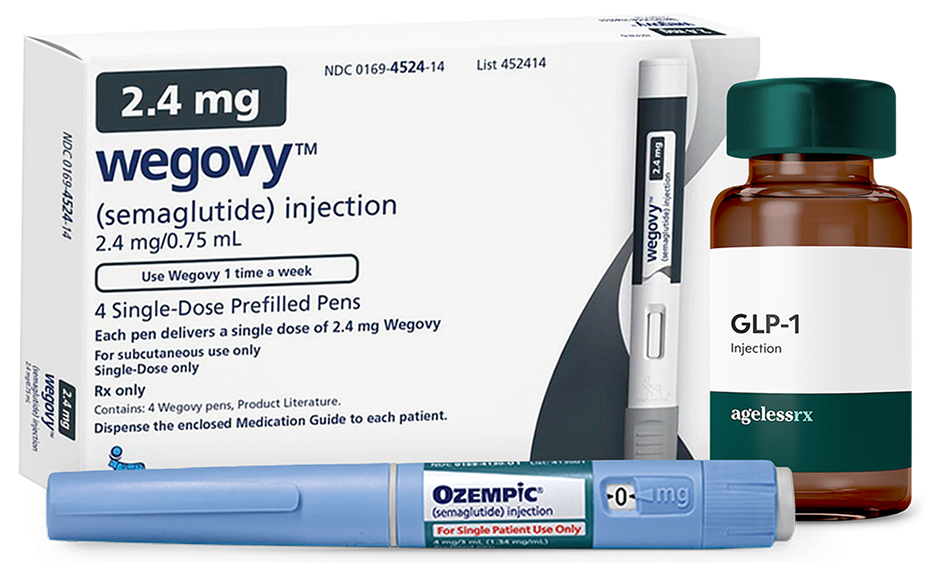
Start with one month at $300, or commit to a full three-month protocol at $810 and save
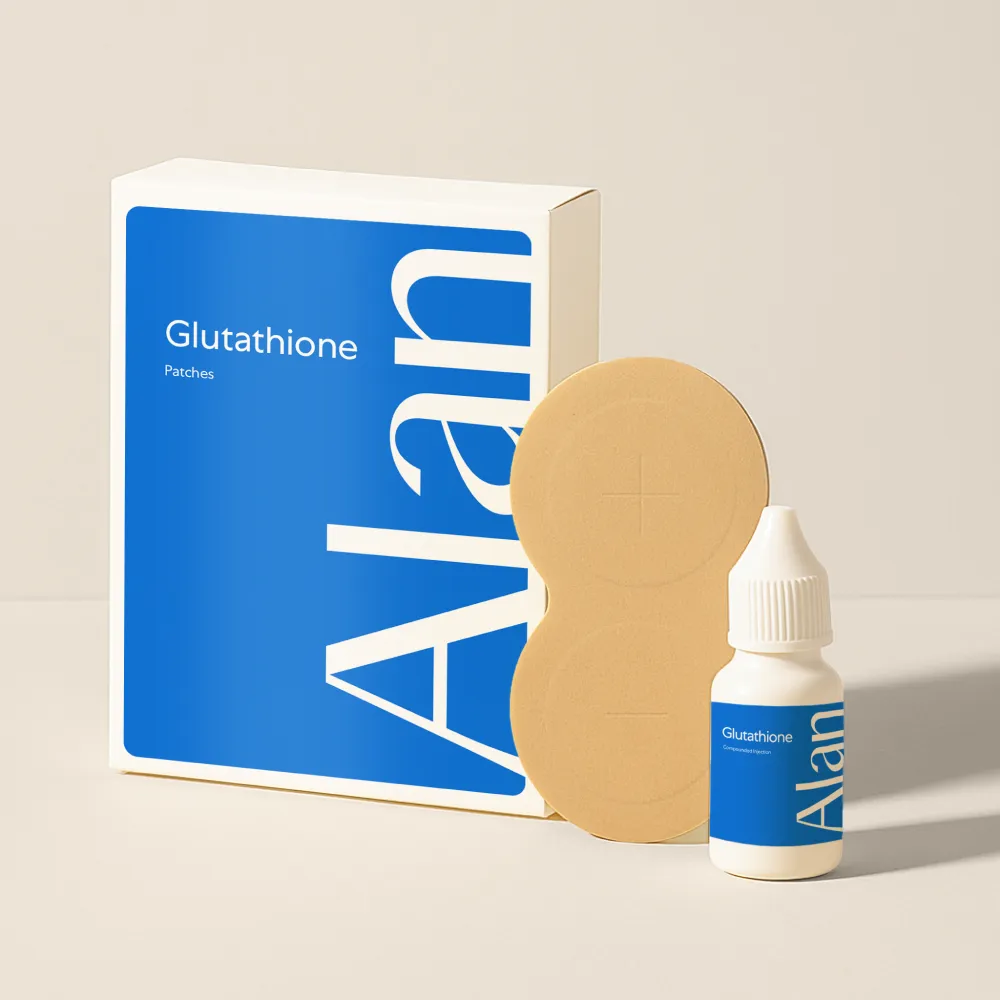
In cosmetic applications, synergistic ingredient combinations are commonly explored for their potential role in: Cosmetic skin conditioning Hydration-focused skincare routines Cosmetic skin-texture support Barrier-support formulations Scalp and hair-conditioning products Glow-focused cosmetic applications Common Cosmetic Ingredient Pairings GHK-Cu is frequently formulated alongside ingredients such as: Hyaluronic Acid Panthenol (Vitamin B5) Ceramides Niacinamide Peptide-based cosmetic ingredients Water-based moisturizing compounds These combinations are commonly utilized in cosmetic formulations focused on: Hydration support Cosmetic skin appearance Lightweight moisturizing formulations Cosmetic scalp and hair applications Skin-conditioning routines Water-Based Formulation Compatibility Due to its water-soluble nature, GHK-Cu is generally best suited for: Water-based serums Gel formulations Lightweight creams Cosmetic peptide blends Research and formulation practices commonly avoid combining GHK-Cu with: Highly acidic formulations Strong exfoliating-acid systems Low-pH cosmetic formulations Low-pH environments may influence copper-peptide stability and formulation integrity

View study Chang CH, Tsai WC, Hsu YH, Pang JHS
It consists of three amino acids, cysteine, glutamine, and glycine, and is responsible for the breakdown of toxic products, free radical destruction, and immune response
Their preliminary data showed that at high concentrations, free GHK-Cu interacted with the acrylic thickeners in their vehicle, leading to viscosity loss and rapid oxidation (browning)



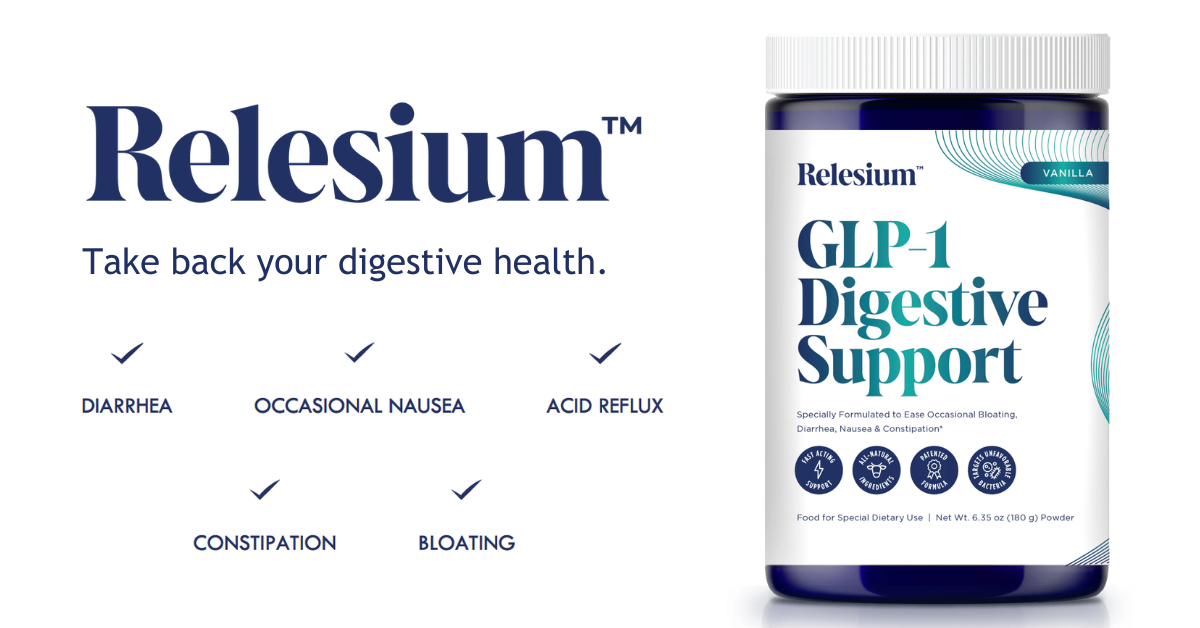




:format(jpg)/d2lnr5mha7bycj.cloudfront.net/product-image/file/large_21c56790-3107-4bea-ae30-ff2805d9e2ab.jpeg)
,aspect=ignore)



:format(jpg)/d2lnr5mha7bycj.cloudfront.net/product-image/file/large_dff0d6ae-88f0-4791-b645-c83f1da0d8e8.png)