Hydroxocobalamin is the standard UK preparation, administered intramuscularly for conditions like pernicious anaemia and gastrointestinal malabsorption B12 acts as a cofactor in DNA synthesis, red blood cell formation, and nervous system function, supporting energy metabolism pathways Common side effects include injection site reactions, mild gastrointestinal upset, and temporary urine discolouration, with serious reactions being rare NHS access requires GP assessment with blood tests
(2000), Horm Res 53(Suppl 3), PubMed 10971106 Statistics from preclinical literature AOD-9604 = modified fragment of hGH 177191 + N-terminal Tyr (sequence Tyr-Leu-Arg-Ile-Val-Gln-Cys-Arg-Ser-Val-Glu-Gly-Ser-Cys-Gly-Phe), molecular weight 1815.1 Da Developed at Metabolic Pharmaceuticals (Australia) based on the work of professor Frank Ng (Monash University) in the 1990s Standard experimental dose in obesity clinical trials: 1 mg/day subcutaneously (Phase 2b, Heffernan et al.) Mechanism: stimulation of 3-adrenergic receptors in adipose tissue, increased lipolysis and fatty acid oxidation without activation of the hGH receptor (no IGF-1 increase) Phase 2b clinical trial (2007, 300 patients): weight reduction ~2.8 kg vs placebo over 12 weeks FDA status: NDI rejection (2014) as a dietary supplement
The preclinical evidence is encouraging
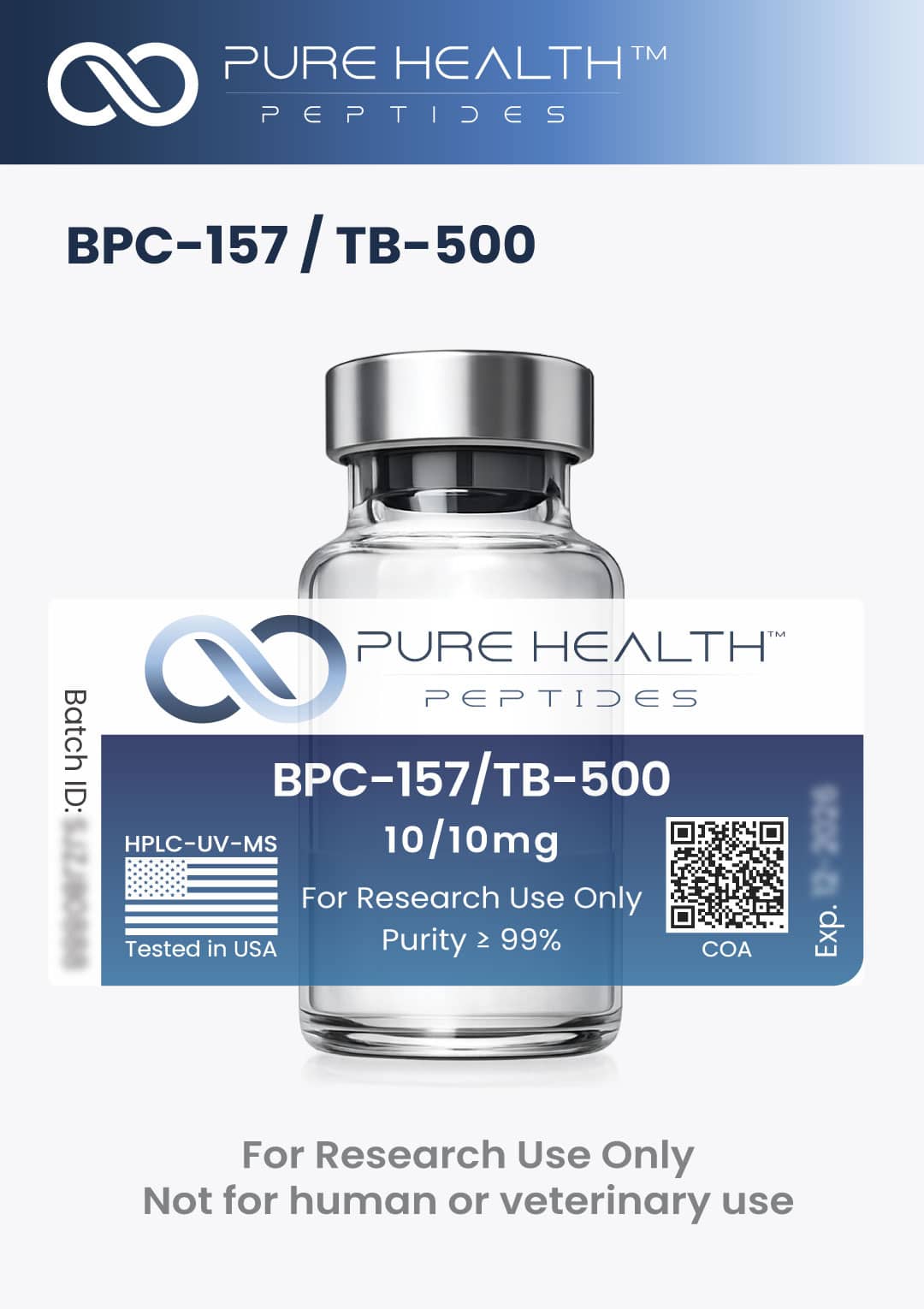
Ensures reliability with 99% purity, COA verification, and GMP-certified U.S
Collectively, this study provides a solid foundation for future exploration into the impact of NNMTi-and diet-mediated changes to the gut microbiome in obese and lean populations, as well as future targets to investigate mechanistically with NNMTi treatment