Addressing dementia risk likely requires simultaneous support of metabolism, mitochondria, vascular health, and cellular health with GLP-1s providing a powerful foundation upon which multi-modal brain health strategies can be built
Week two brought the first pain-free jog in months
If crystallization occurs, allow the vial to reach room temperature and swirl gently to redissolve
Sleep for Restoration Allow your body to recover by ensuring you get adequate sleep
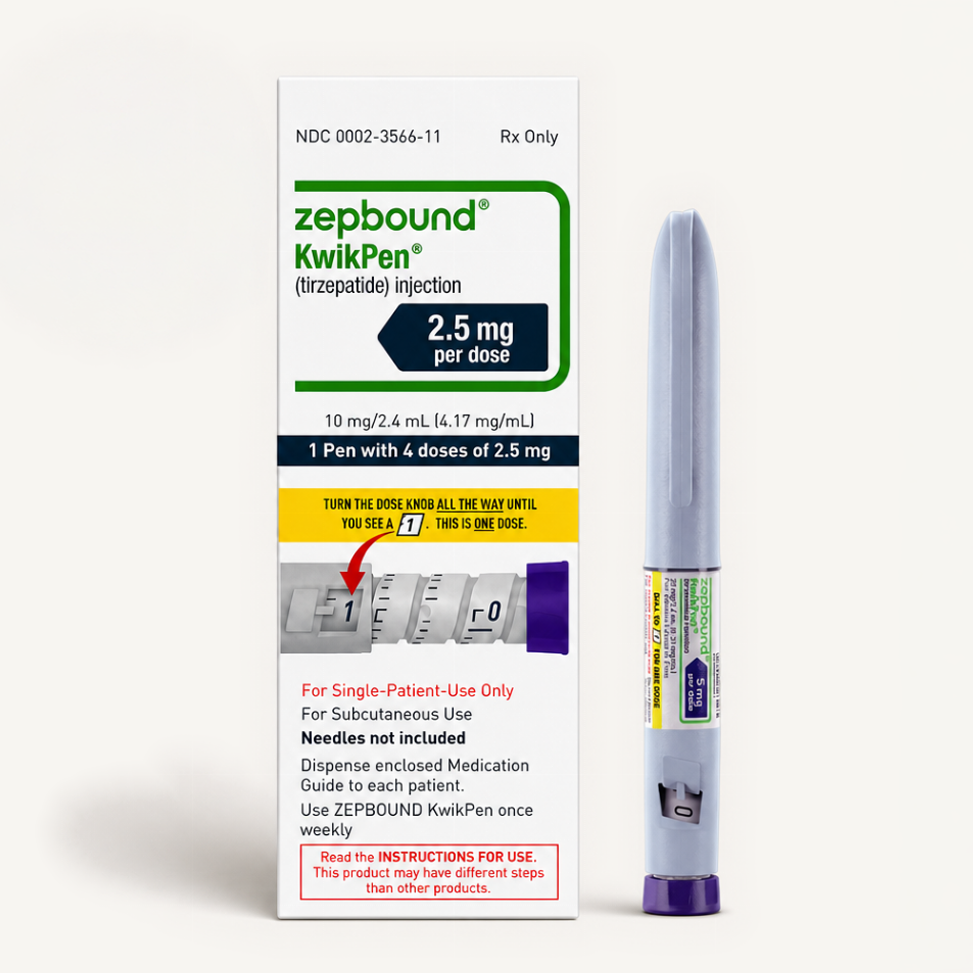
General side effect management strategies include: Gradual dose escalation : Following the prescribed titration schedule minimises gastrointestinal side effects, which are the most common adverse reactions to Mounjaro Dietary modifications : Eating smaller, more frequent meals and avoiding high-fat foods can reduce nausea and digestive discomfort Adequate hydration : Maintaining good fluid intake is important, particularly if experiencing vomiting or diarrhoea, though this should be balanced and not excessive Injection technique : Rotating injection sites and ensuring proper administration technique can minimise injection site reactions Recommended monitoring during Mounjaro treatment: According to NICE guideline NG28 (Type 2 diabetes in adults: management) and standard clinical practice, patients taking Mounjaro should undergo regular monitoring, including: HbA1c levels (for diabetes management) typically every 36 months Body weight at each clinical review to assess treatment response Renal function tests (serum creatinine and estimated glomerular filtration rate) particularly in patients with pre-existing kidney disease or those experiencing significant gastrointestinal side effects Blood pressure monitoring, as weight loss may necessitate adjustment of antihypertensive medications Lipid profile assessment, as weight reduction often improves cardiovascular risk factors Patient self-monitoring is equally important