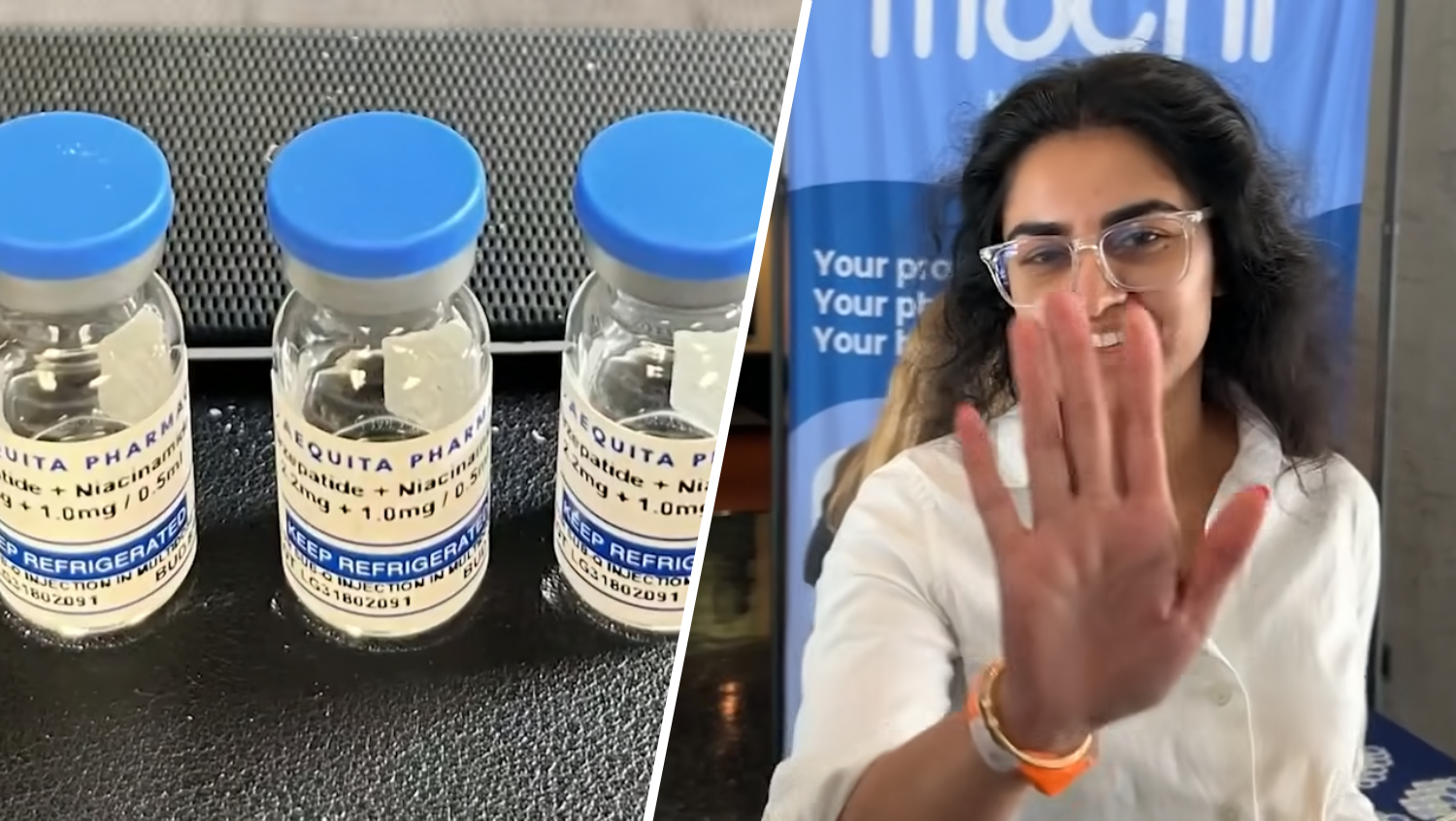
Preclinical studies suggest sufficient peptide survives to produce beneficial effects, but exact absorption and effective human dosing remain uncertain
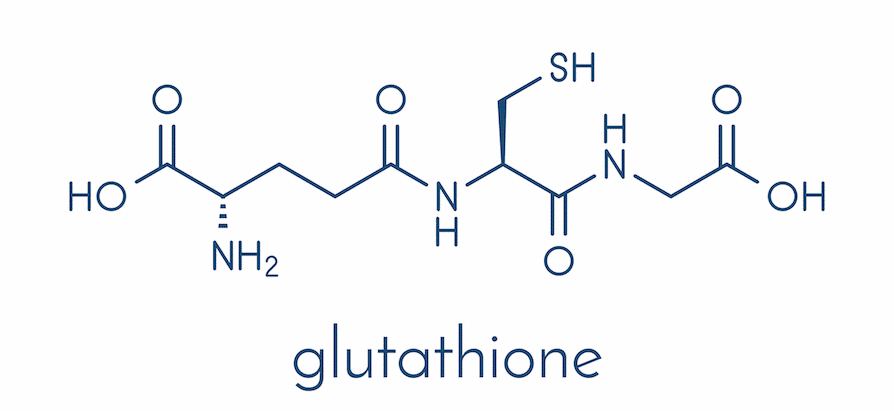
Key Points Individuals with GSTM1 -positive and GSTT1 -positive genotypes are at increased risk for renal cell carcinoma (RCC) when occupationally exposed to certain toxicants Individuals with the GSTM1 -null genotype are at increased risk for bladder cancer, which might be potentiated by smoking and occupational hazards Data on the influence of GSTT1 polymorphism on the risk for transitional cell carcinoma (TCC) are inconsistent In the process of kidney cancerization, expression of GSTA isoenzymes is downregulated, which contributes to decreased antioxidant capacity in RCC and might enhance RCC growth In the malignant phenotype of TCC of the urinary bladder, upregulation of GSTT1 and GSTP1 might provide a reduced cellular environment and inhibit apoptotic pathways, respectively
In some embodiments, administration of the formulations or compositions described herein reduces inflammation and/or infections associated with otic surgery, implantation of a medical device or a cell transplant
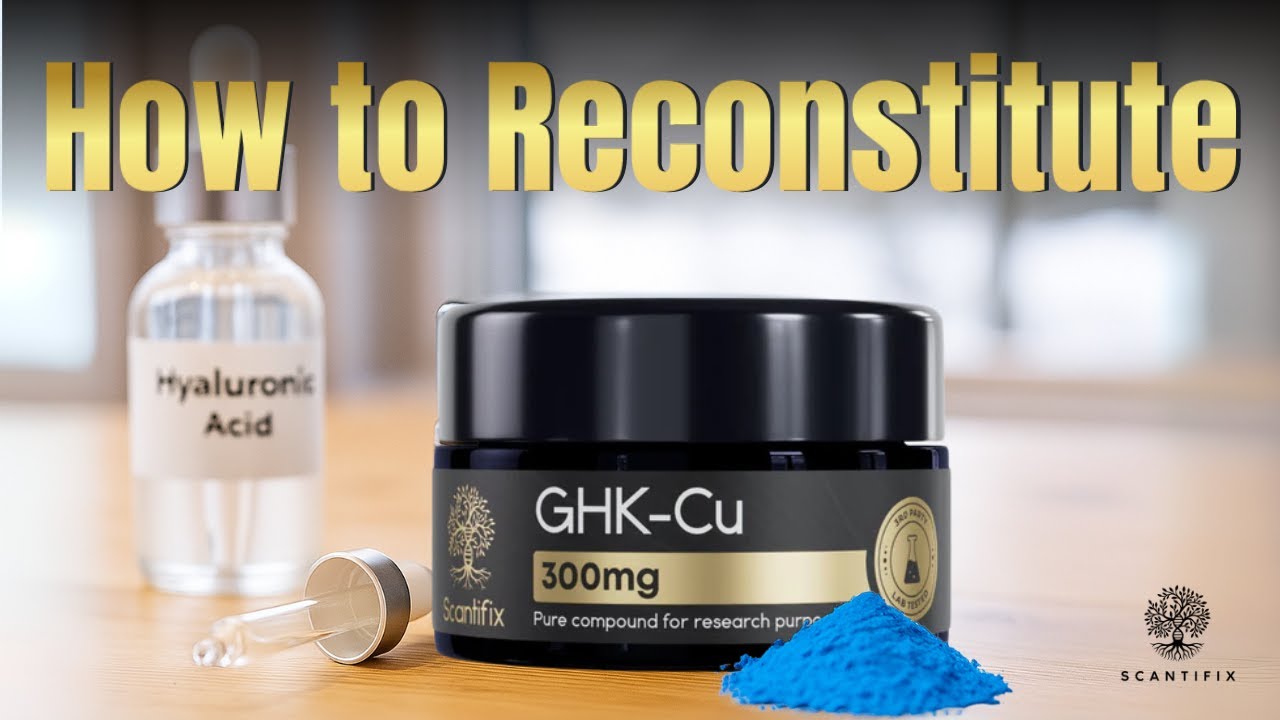
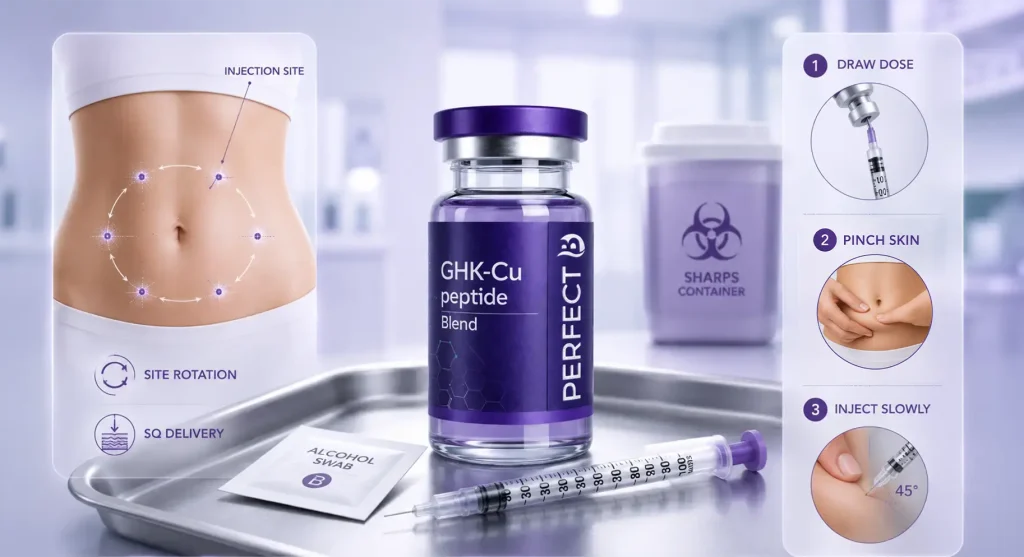
How to read this: Reconstitution = mL of bacteriostatic water commonly added to the vial
High enough to be bacteriostatic (inhibiting bacterial growth) without being bactericidal (killing bacteria outright at first contact)