BPC-157 is one of the most extensively referenced cytoprotective peptides, with studies spanning gastrointestinal, musculoskeletal, cardiovascular, and central nervous system research contexts
Patients who prefer injection have Semaglutide Injection at $189/mo, Tirzepatide Injection at $289/mo, or GLP-Squared dual-compound at $289/mo on the same cash-pay structure
Secondly, is HA associated with newer ASMs (e.g

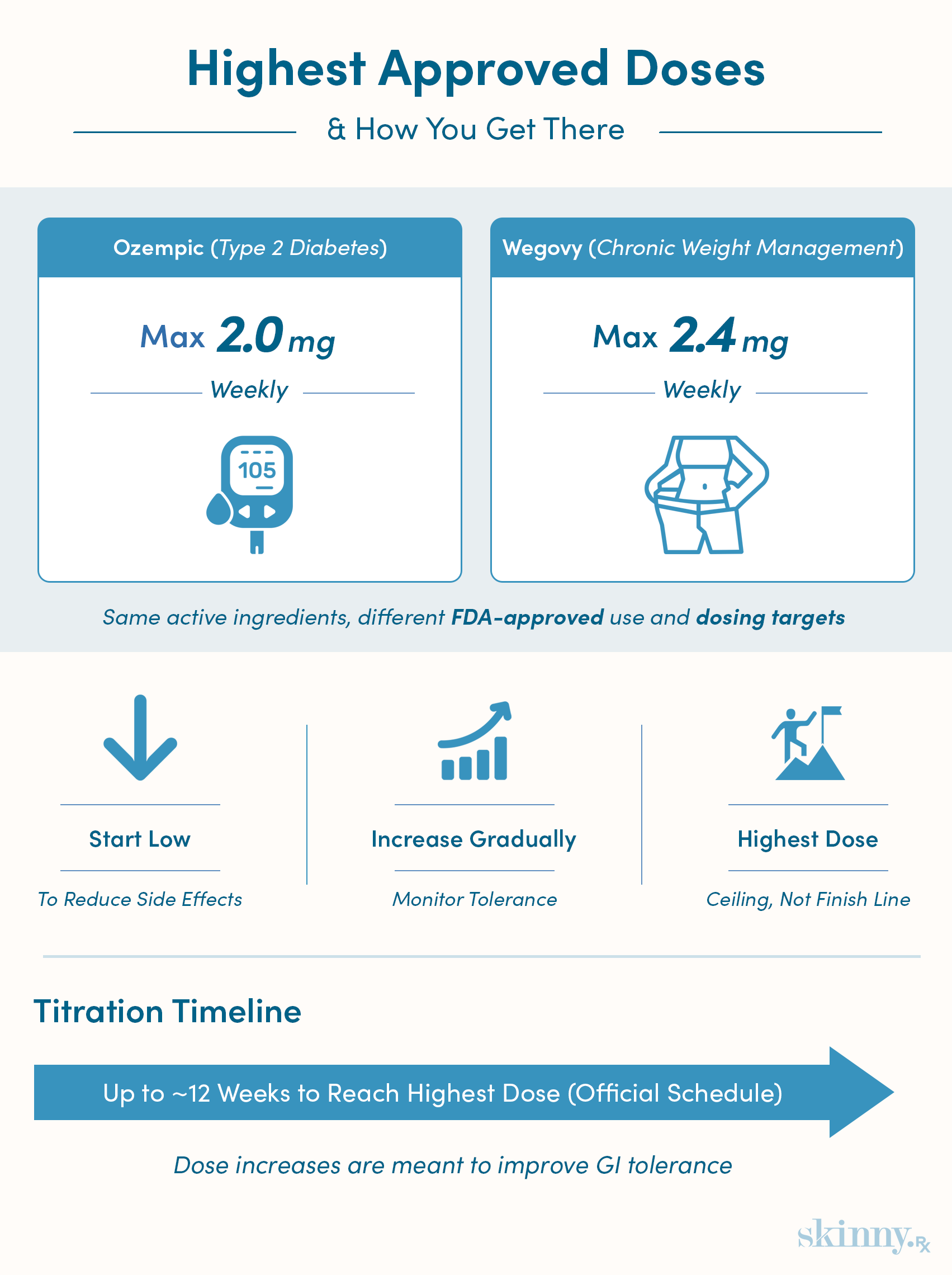
Important Mixing Guidelines Inject the bacteriostatic water slowly down the side of the vial Do not spray the water directly onto the peptide powder Allow the peptide to dissolve naturally Swirl gently if needed do not shake the vial Shaking may damage the delicate peptide structure Once fully mixed, the solution should appear clear and free of visible particles Use sterile handling practices and avoid repeated contamination of the vial Storage Guidelines Store the unmixed lyophilized vial in a cool, dark place After reconstitution, refrigerate at 28C Avoid direct sunlight and repeated heat exposure Keep the vial sealed and sterile between uses Research Administration Guide Typical Research Protocol Begin with the lowest effective research amount Many research protocols begin at 2.5mg once weekly for approximately 4 weeks Administration amounts are commonly adjusted approximately every 4 weeks depending on response and tolerability Some research protocols maintain lower administration amounts for extended periods if desired research outcomes remain consistent Gradual administration escalation is commonly utilized to support tolerability and minimize gastrointestinal side effects Typically researched as a once-weekly peptide Important Notice This product is supplied strictly for laboratory and research purposes only
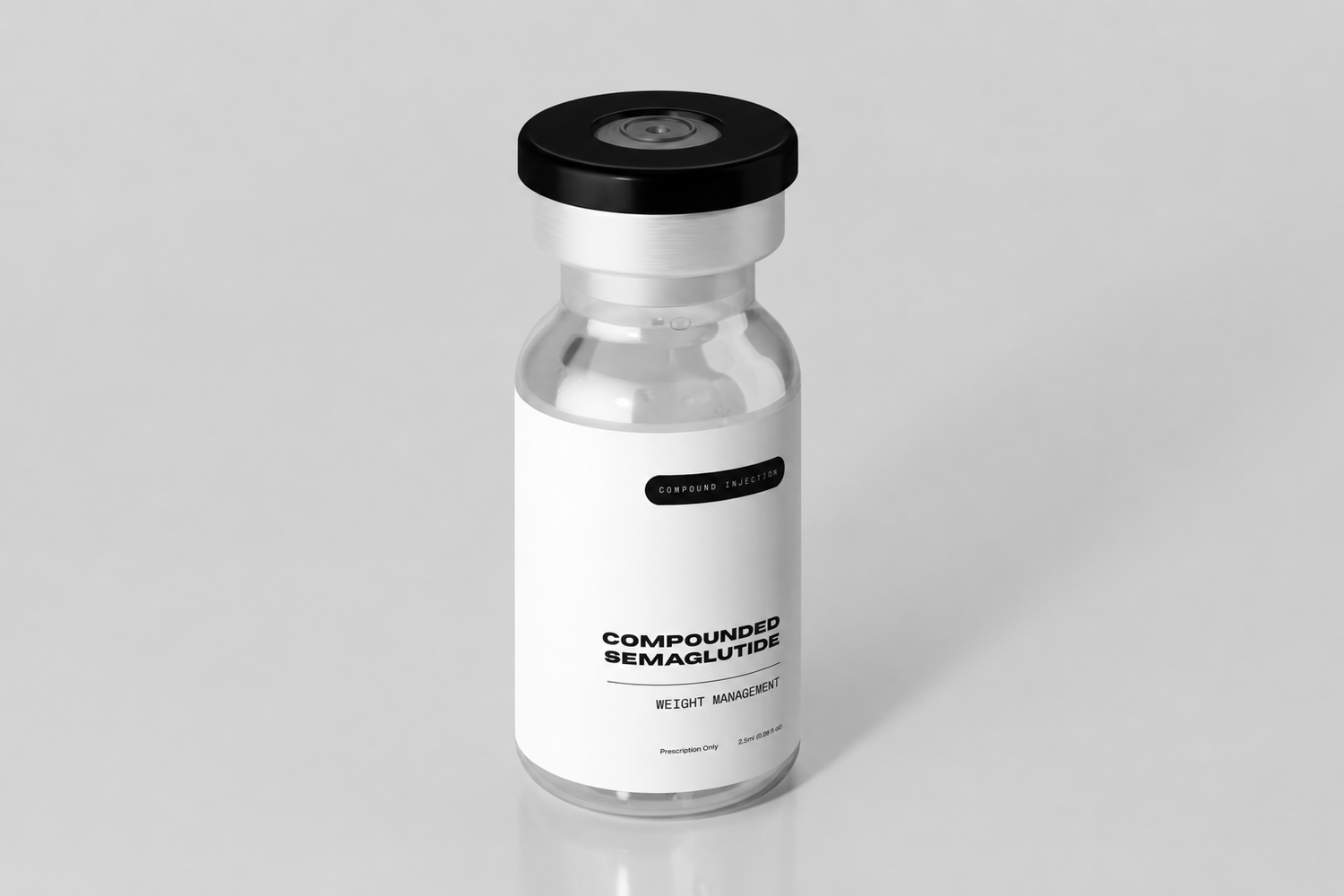
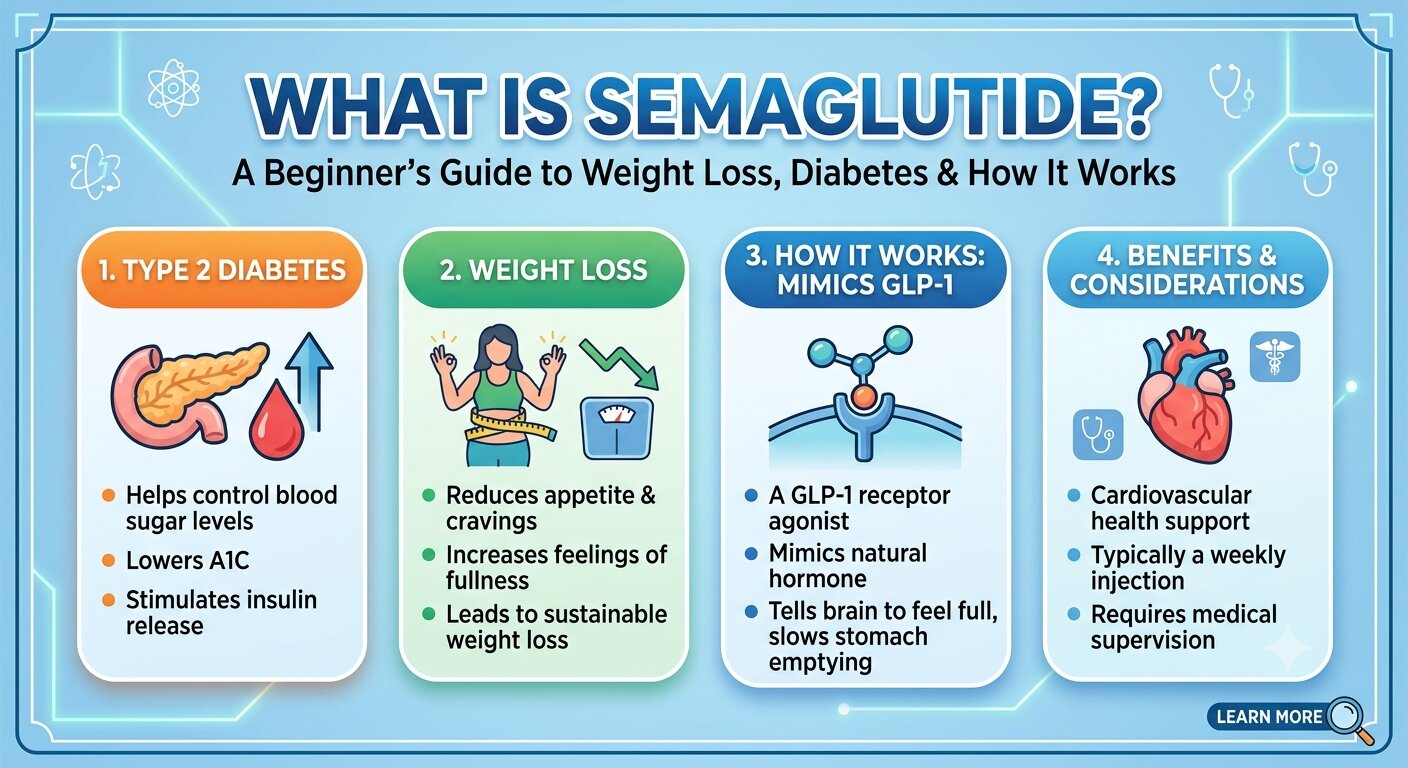
Areas of Scientific Interest GLP-1 receptor and incretin-pathway investigations Glucose-homeostasis and insulin-signaling research Appetite and satiety-signaling studies Adipose and energy-balance research models Metabolic-syndrome and obesity-related investigations Cardiometabolic and metabolic-regulation pathways Semaglutide continues to be investigated in metabolic, endocrine, and obesity-related research models focused on: Glucose regulation Energy-balance pathways Appetite-related signaling Caloric-intake modulation Metabolic-efficiency investigations For Laboratory and Research Use Only Not for human consumption or therapeutic use