A small portion of these have been confirmed to alter such responses when consumed at reasonable oral doses in human or animals and are listed below: 7 Cruciferous glucosinolates (broccoli, Brussels sprouts, etc.) 8,9,10 Sulforaphane (concentrated) 11,12 Curcuminoids (turmeric) 13,14 Quercetin 15,16 Resveratrol 17,18 Phenethyl isothiocyanate (PEITC, from watercress) 19,20 Diallyl sulfide (garlic) 21,22 Lipoic acid 23,24 N-acetyl cysteine (NAC) 25,26 Additional Nrf2-Modulating Ingredients The list of natural compounds shown to modulate Nrf2 pathways or ARE-containing genes is too numerous to list in this text, though common ingredients for which the reader might be familiar include all those listed above and also baicalein ( Scutellaria baicalensis ), catechins (tea, cocoa), genistein (soy), carnosol and carnosic acid ( Rosmarinus officinalis ), andrographolide ( Andrographis paniculata ), ginsenoside Rb1 ( Panax ginseng ), schisandrin B ( Schisandra chinensis ), quercetin and related flavonoids, indole-3-carbinol (I3C) and diindolylmethane (DIM), hydroxytyrosol ( Olea europaea - olive), Pterostilbene, Xanthohumol ( Humulus lupulus ), berberine, [6]-gingerol ( Zingiber officinale ), vitamin D, and even exercise (though the Nrf2-activation response decreases with aging)
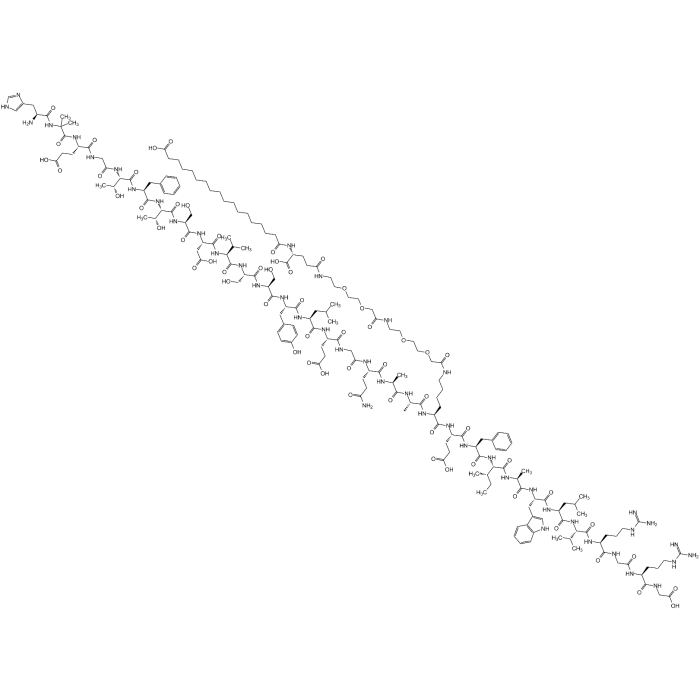
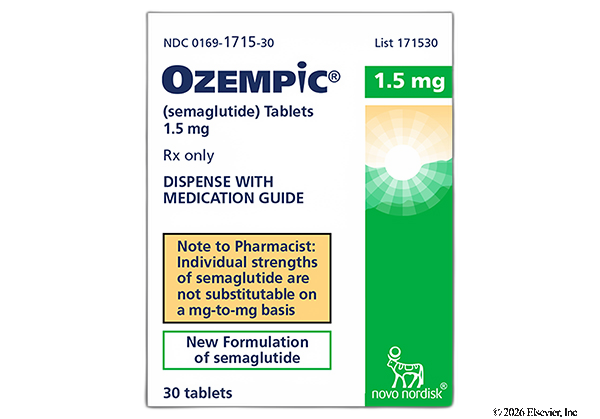
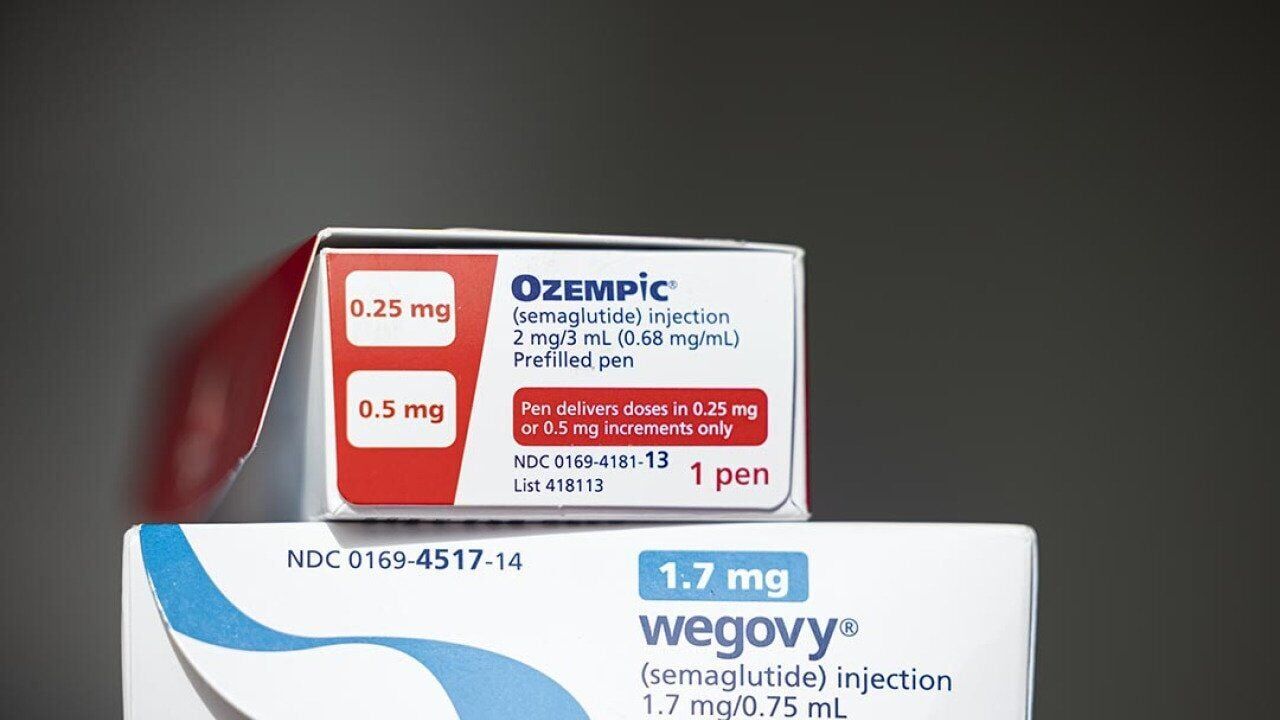
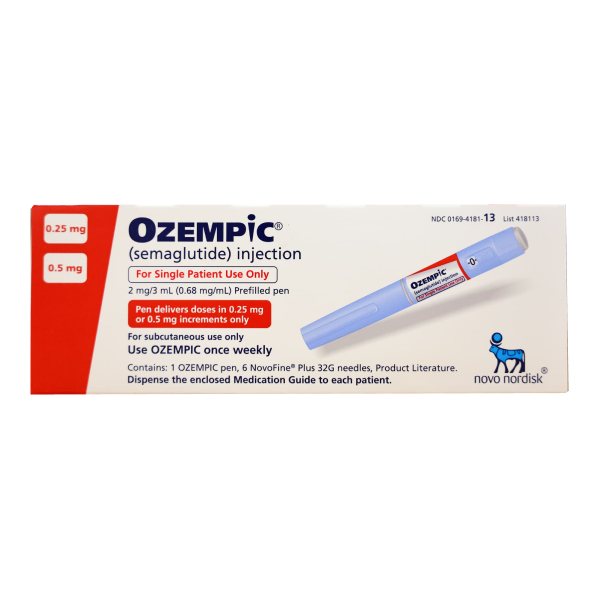
The FDA has also issued warnings about counterfeit Ozempic in the supply chain
Vitamins in the Prevention of Human Diseases
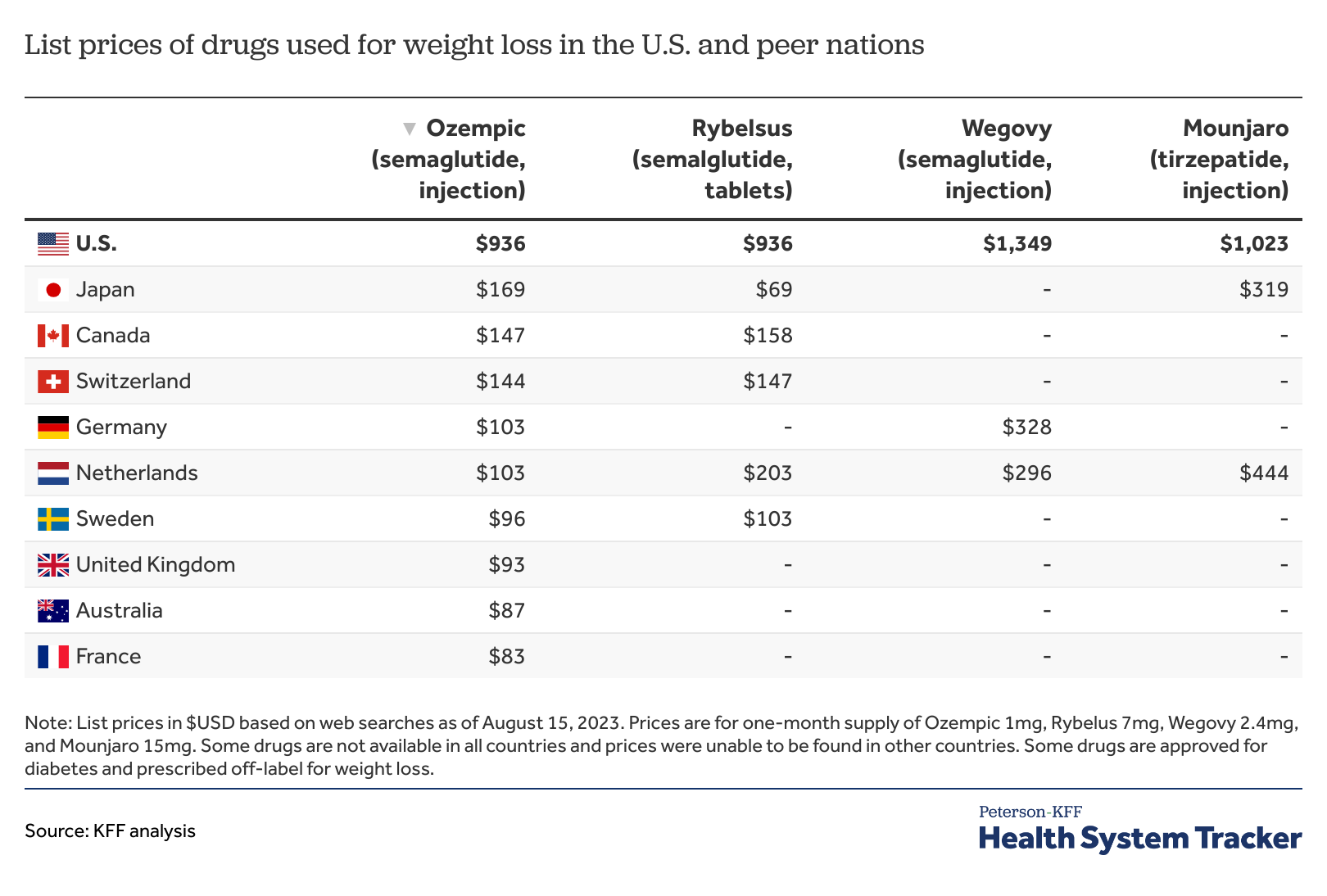
The Affordability Barrier The reality is straightforward: access to GLP-1 therapy in the U.S
Tubular injury Proximal tubule cells absorb and concentrate compounds from the glomerular filtrate as well as from the systemic circulation, and are prone to be affected by nephrotoxic drugs