Ten en cuenta: Si eres principiante, desayuna algo ligero antes
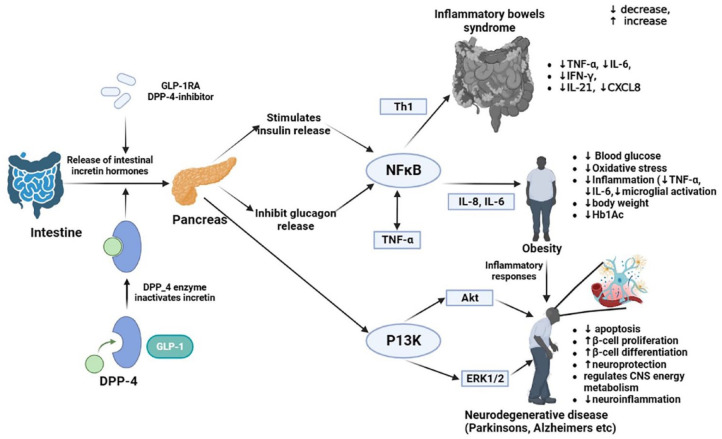
Researchers assess its effects on neuronal survival, glial scarring, and the modulation of neurotransmitter systems, such as the dopaminergic and serotonergic systems

Benefits Features Why Choose Common Uses How It Works Benefits Benefits Enhanced anaesthetic strength suitable for procedures requiring deeper numbing Fast onset to maintain efficient clinic workflow Predictable action for consistent treatment outcomes Comfort-focused to support a positive patient experience Suitable for a range of injectable and minor surgical techniques Sterile single-use ampoules promote safe and hygienic administration Features Features Concentration: 2% Lidocaine Hydrochloride Volume: 5ml per ampoule Quantity: Pack of 10 ampoules Type: Local anaesthetic solution for injection Rapid onset and medium duration of action Why Choose Why Choose Practitioners select Lidocaine 2% because it provides more intense local anaesthesia compared with lower-strength formulations, making it a reliable choice for procedures requiring stronger or deeper numbing

Red blood cell breakdown (also known as hemolysis) in G6PD deficiency can manifest in many ways, including the following: Prolonged neonatal jaundice, possibly leading to kernicterus (arguably the most serious complication of G6PD deficiency) Hemolytic crises in response to: Illness (especially infections) Certain drugs (see below) Certain foods, most notably broad beans, from which the word favism derives Certain chemicals Diabetic ketoacidosis Hemoglobinuria (red or brown urine) Very severe crisis can cause acute kidney injury Favism is a hemolytic response to the consumption of fava beans, also known as broad beans
Cell 149, 10601072, 10.1016/j.cell.2012.03.042 (2012)