Its sterile water that contains 0.9% benzyl alcohol, which acts as a preservative
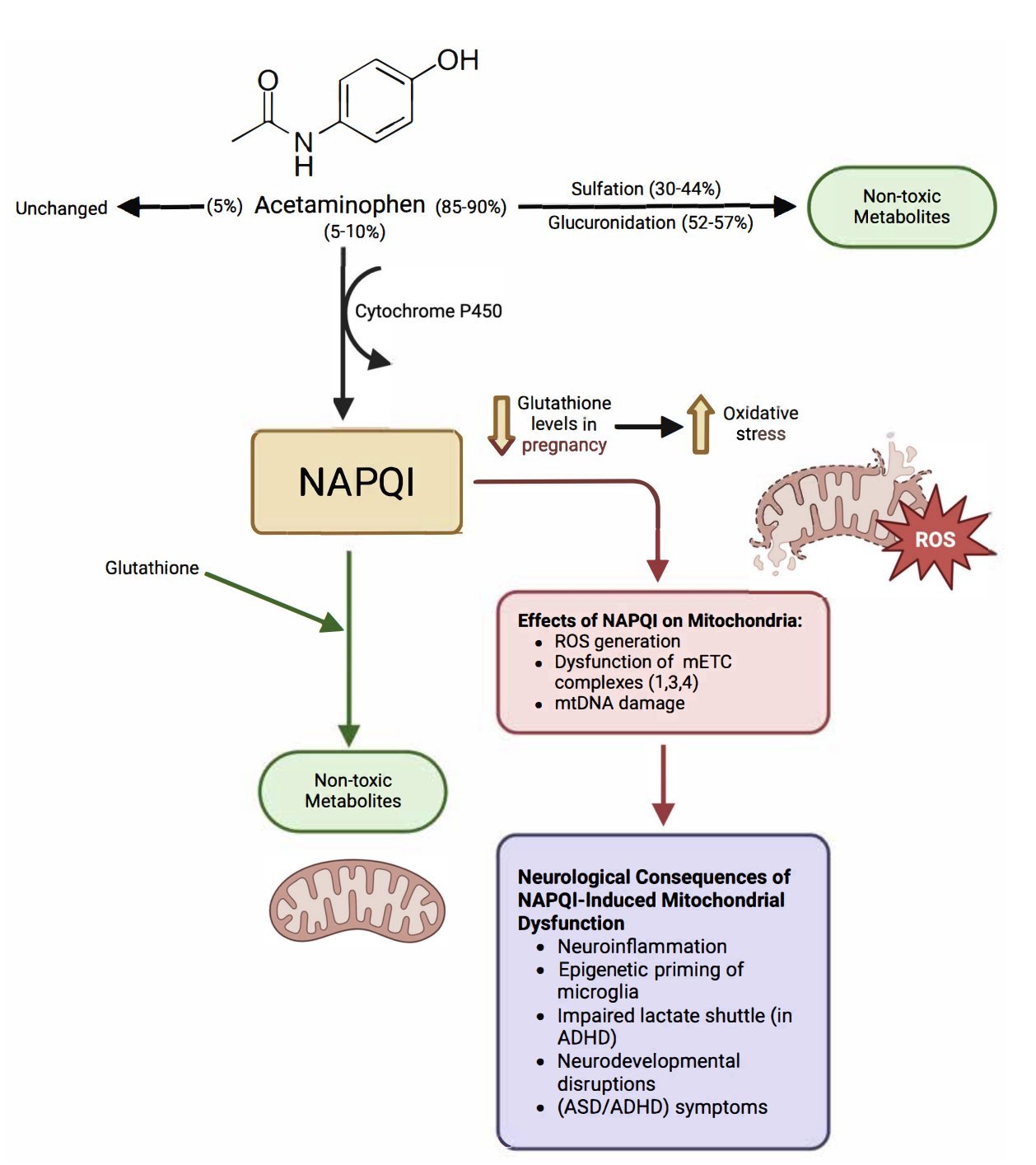
Hence, compounds with new mechanisms to protect mitochondrial beyond NAC may be better choices
Asparagine Asparagine can be synthesized de novo from glutamine via asparagine synthetase (ASNS)

However, some potential side effects include: Mild nausea or stomach discomfort Temporary irritability Headaches Changes in appetite Sleep pattern changes Digestive issues Mood fluctuations Temporary anxiety Skin reactions Blood pressure changes When to Seek Medical Attention: Severe allergic reactions (rash, difficulty breathing) Persistent headaches lasting more than 48 hours Significant changes in mood or behavior Severe gastrointestinal symptoms Unusual heart rhythm or palpitations Safety Considerations: Research Stage: Dihexa remains in research phase, requiring more clinical trials Drug Interactions: Limited data on interactions with medications Individual Variation: Response and effects vary between people Long-term Effects: Extended use effects still being studied Medical Supervision: Usage should be monitored by healthcare professionals Summary In the landscape of nootropic and peptide therapies, Dihexa emerges as a compound with remarkable potential, particularly in the realm of cognitive enhancement and the treatment of neurodegenerative diseases

(More information) It is not yet clear whether supplementation with B vitamins, antioxidants, or omega-3 fatty acids protects against age-related cognitive decline