Training arrow_drop_down About Training International arrow_drop_down About International Produce Safety Alliance Grower Training Good Fishing Vessel Practices Aquaculture Training Programs Good Agricultural Practices Commercially Sterile Packaged Foods Food Inspector Training Supply Chain Management for Spices and Botanical Ingredients WTO-SPS Professional Development Training Data Collaborations arrow_drop_down About Collaborations International Collaborations arrow_drop_down About International Collaborations About Collaborative Training Initiatives Collaborative Produce Safety Training Initiative Bangladesh Aquatic and Aquacultural Food Safety Center IICA-JIFSAN Collaborative Training Initiative for the Americas India Supply Chain Management for Spices and Botanical Ingredients (SCMSBI) Malaysia Ministry of Health Collaborative Framework on Food Safety Capacity Building Thailand Center for Commercially Sterile Packaged Foods About News & Events Training Research Collaborations International Collaborations About Collaborative Training Initiatives Collaborative Produce Safety Training Initiative Bangladesh Aquatic and Aquacultural Food Safety Center IICA-JIFSAN Collaborative Training Initiative for the Americas India Supply Chain Management for Spices and Botanical Ingredients (SCMSBI) Malaysia Ministry of Health Collaborative Framework on Food Safety Capacity Building Thailand Center for Commercially Sterile Packaged Foods Partnerships Informatics Contact: Zhao (Jack) Chen, MS, PhD [email protected] This work is supported by the U.S

Avoid high-fat, spicy, and heavily processed foods that may trigger nausea
This comprehensive approach, combining dietary changes, physical activity, and lifestyle adjustments, provides a strong foundation for achieving and maintaining a healthy weight
A retrospective cohort study found that semaglutide use was associated with a 44% reduced risk of incident cannabis use disorder (CUD) in patients with no prior history (hazard ratio [HR]: 0.56, 95% confidence interval [CI]: 0.420.75) and a 38% reduction in recurrent CUD diagnosis (HR: 0.62, 95% CI: 0.460.84) among patients with a prior history, compared to non-GLP-1RA medications [61]
The later jumps get smaller as you approach the therapeutic ceiling


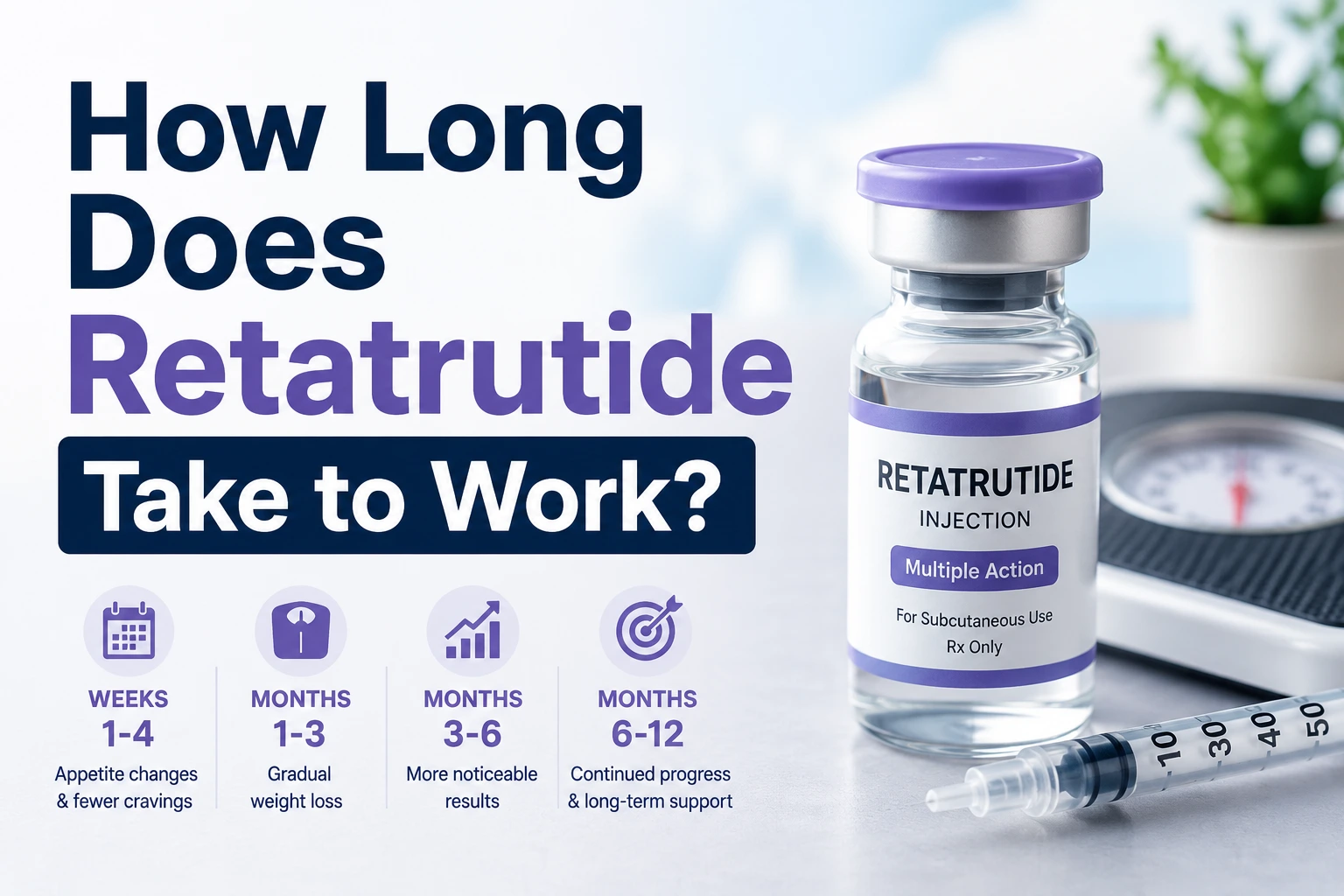



%20(1).png)






:max_bytes(150000):strip_icc()/GettyImages-1331502792-cdc8ea8d1bb3486d96111406aff3ae34.jpg)